DBT Skills Training Group
Do you find yourself becoming overwhelmed with intense, painful emotions and struggling to stop certain behaviors that cause you more problems? Are you having trouble managing stress and healthy relationships? Are these all holding you back from getting what you want out of life?
Thoughts like:
“I feel worthless” or “I am not good enough”
“I can’t stop worrying and overthinking”
“I’m thinking about hurting myself”
“I feel out of control” or “I don’t know how to stop”
“Everyone is against me” or “Nobody will ever love me or stick around”
These thoughts and emotions may present themselves through:
– Engaging in unwanted, self-destructive, impulsive, or harmful behaviors
– Low self-esteem
– Dissatisfaction in your relationships, whether familial, romantic, or friendships
– Difficulty transitioning into a new stage of life and managing change
You might feel hopeless, discouraged, unmotivated, and unstable.
DBT Skills Training Group can help you make the changes you want and build the life you want.

Why join DBT Skills Training Group?
The goal of DBT Skills Group is to identify thoughts, emotions, and behaviors that contribute to our distress, and then change those thoughts, emotions, and behaviors, to lessen that distress. DBT is about balancing to accept what we cannot control and changing what we can. Learn the core skills and concepts of Dialectical Behavior Therapy to help you manage and cope with your struggles in everyday life so that you can build a life worth loving.
With DBT Skills Group, you can improve your sense of self and increase your autonomy and agency. It allows you to relate to and experience validation from peers who are experiencing similar life situations, emotions, and difficulties. Studies have shown that this feedback and support has a huge benefit to one’s mental health, recovery and treatment.
We learn to…
Reduce behaviors such as self-harm or risk-taking and impulsive actions.
Be kinder to ourselves and accept ourselves as we are.
Address difficulties in our interpersonal relationships more effectively, to respect our own boundaries, and the boundaries of others.
Everyone enters a group for their own individual needs and reasons, but one thing is common among all of us: We are all doing our best and working to improve.

What can I expect from DBT Skills Training:
Unlike other therapy groups, DBT Skills Training Groups are centered around learning, improving, and practicing our DBT skills. Group is very structured and follows a curriculum so that we can really focus on honing our skills and figuring out how to implement them in our daily lives. Each group is led by two therapists and can have up to 8 members to support you on your journey.
Group runs for 6 months, once a week, for one hour and 15 minutes with multiple days and times available. All of our groups are held virtually on a secure meeting platform. Groups are always open with rolling admission, meaning you can jump in at any time and still learn all of the modules of DBT. During group, you will learn 1-3 new skills every week, so you will walk away from every meeting with a new way to cope with your daily stressors! In each meeting we will complete an activity that helps us understand or practice the skills together and discuss how we can use these skills outside of group: How we can personalize each skill to fit our individual needs, what situations would using skills be most beneficial, and how to troubleshoot any issues that get in the way of successfully using skills.
What are the four modules of DBT Skills?
Mindfulness
Learn how to stay grounded in the present moment through awareness, non-attachment, and non-judgment. Mindfulness creates space between our thoughts, emotions, and actions, allowing us to slow down and intentionally use the skills we’ve learned.
Distress Tolerance
These are coping tools to use during moments of crisis or intense distress to help lower emotional intensity and prevent acting on harmful impulses. While they may not make you feel better right away, the goal is to keep the situation from getting worse. This module also covers reality acceptance—how to cope when a problem can’t be solved or a situation can’t be changed—so you can reduce suffering and continue moving forward.
Emotion Regulation
Understand your emotions—why they arise, what they mean, and what they urge you to do—and learn how to manage them effectively. This includes shifting emotions that are unhelpful or disconnected from reality, solving problems constructively, and making lifestyle changes to reduce emotional vulnerability.
Interpersonal Effectiveness
Build healthier relationships and communicate more effectively. Learn how to ask for what you need, set boundaries, say no, strengthen current relationships, and step away from ones that are harmful or holding you back.
In between each module, we dedicate a session to reviewing and deepening our Mindfulness skills.
During group, you’ll receive handouts that outline the purpose and step-by-step practice of each skill, along with worksheets to help you apply them. We also use PowerPoints, video clips, and interactive virtual activities to reinforce learning. After each session, you’ll get an email summarizing what we covered and outlining the week’s homework.
Research shows that completing two rounds of DBT group is most effective for long-term, sustainable change. The benefits of a second round include:
- By the end of the first round, you’re often in a better mental space and more ready to put skills into practice.
- Skills take repetition to master. In the first round, you learn them; in the second, you solidify your ability to use them in real life
Contact Us
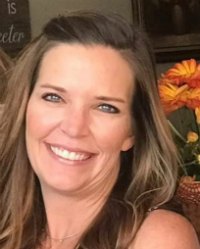
Tiffany Evans
Intake Coordinator
We would love to hear from you!
Making change alone can be difficult—but with a team of skilled clinicians and a group of supportive peers, you’ll discover you’re more capable than you may have realized. Contact us today to begin your DBT Skills Training Group journey!
Ready to join? Click the link below to schedule a call with our intake coordinator, Tiffany, or call us directly at 347-947-7082.
DBT Skills Group may be covered by your insurance plan. Click here to see what insurance providers we accept. Self-pay monthly memberships are also available
Click the following links to learn more about our group therapy services:
- Group Neurodivergence Therapy
- Group Eating Disorders Therapy
- Neurodivergent-Friendly (ND) DBT Skills Training Group